Chat
Resources

Access compassionate resources.

Our resource hub is designed to support parents, educators, and volunteers with reliable information.

Featured Articles

Read expert-led posts on wellbeing, neurodiversity, child safety, and inclusive education.

Categories

  • Menstrual health
  • Special needs
  • Community outreach
  • Volunteer stories
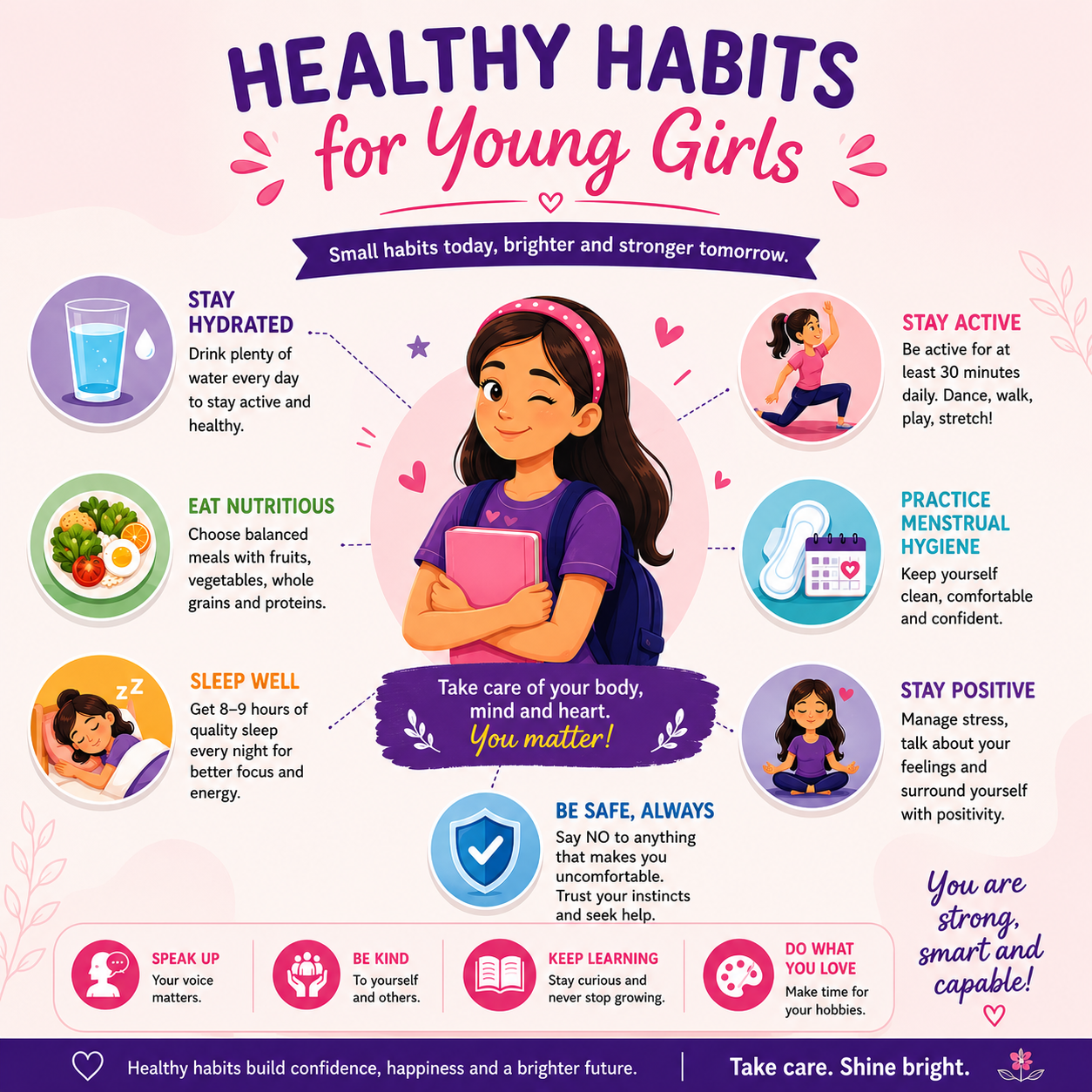
Healthy habits for young girls

Healthy habits for young girls

Practical tips to use daily routines to support self-esteem and health.

Establishing healthy habits during adolescence is crucial for lifelong wellness and self-esteem. Daily routines provide structure and consistency, helping young girls develop confidence in managing their bodies and emotions. Simple practices like regular exercise, balanced nutrition, and proper hygiene can have profound effects on physical health. Mental wellness is equally important—incorporating mindfulness, journaling, or talking with trusted adults helps process emotions during this transformative period. Menstrual health education empowers young girls to understand and manage their cycles comfortably. Creating a supportive environment where conversations about health are normalized reduces stigma and anxiety. Parents and educators should model healthy behaviors, including self-care, open communication about bodily changes, and celebrating achievements. These foundational habits foster independence and self-advocacy skills that extend into adulthood. By prioritizing comprehensive health education and emotional support, we equip young girls with tools for lifelong wellness and confidence.
Child and parent reading a guide together

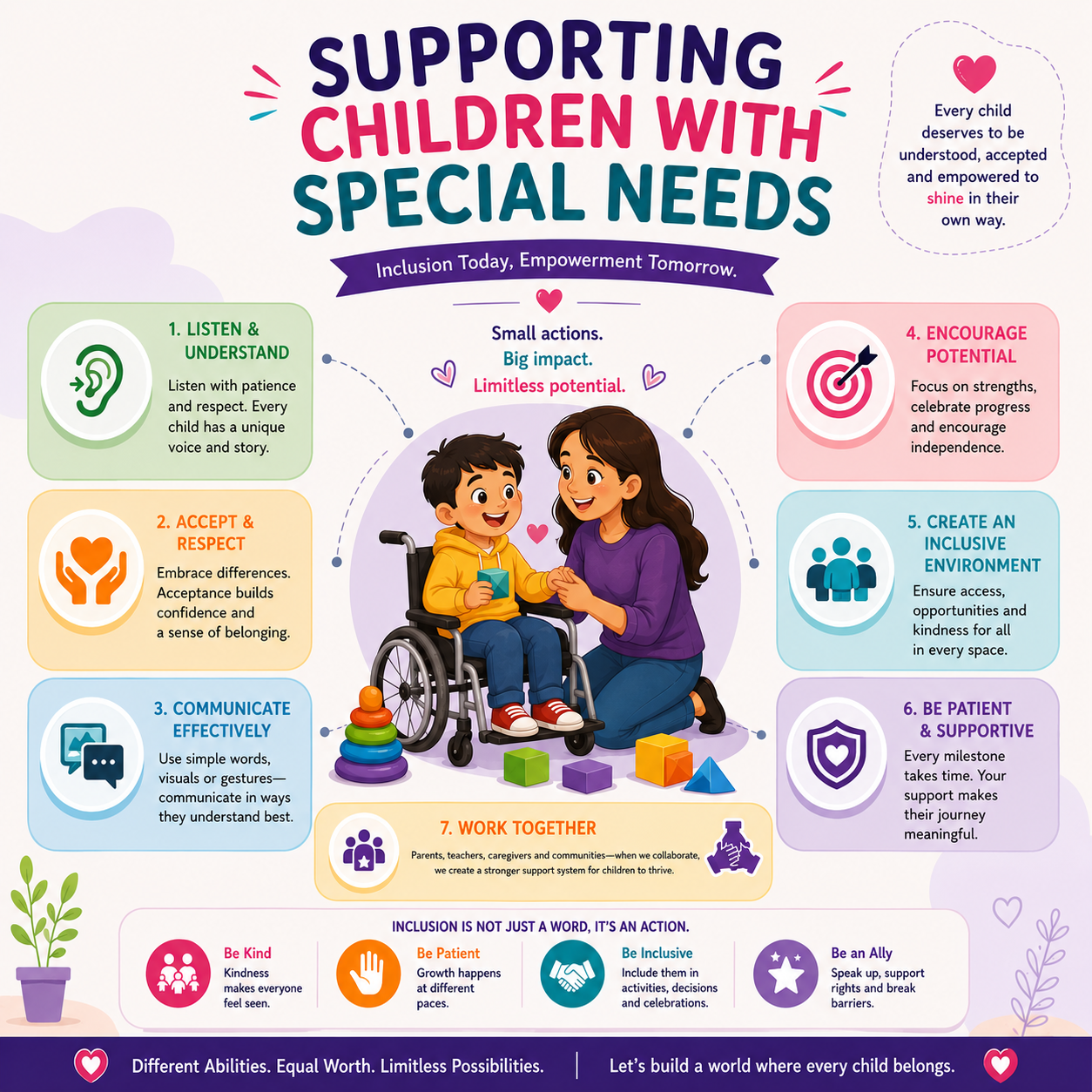
Supporting children with ADHD

Learn how structure, kindness, and creativity can make everyday learning easier.

Supporting children with ADHD requires patience, understanding, and tailored strategies that recognize their unique strengths and challenges. Structure provides essential scaffolding—consistent routines, clear expectations, and organized environments reduce cognitive load and anxiety. Breaking tasks into smaller, manageable steps makes learning feel achievable rather than overwhelming. Positive reinforcement celebrates progress, building confidence and intrinsic motivation. Creativity in teaching methods accommodates different learning styles; hands-on activities, visual aids, and movement-based learning engage children more effectively than traditional approaches. Kindness and empathy are fundamental—children with ADHD often struggle with self-esteem due to repeated failures or criticism, making compassionate support crucial. Setting realistic expectations and acknowledging effort, not just outcomes, fosters resilience. Collaboration between parents, teachers, and mental health professionals ensures consistency across environments. Mindfulness practices, physical activity, and adequate sleep support emotional regulation and focus. Technology can be leveraged positively through apps designed for ADHD management. Understanding that ADHD is neurological, not behavioral, shifts perspective from punishment to support, creating environments where children thrive.

Volunteers preparing outreach packets

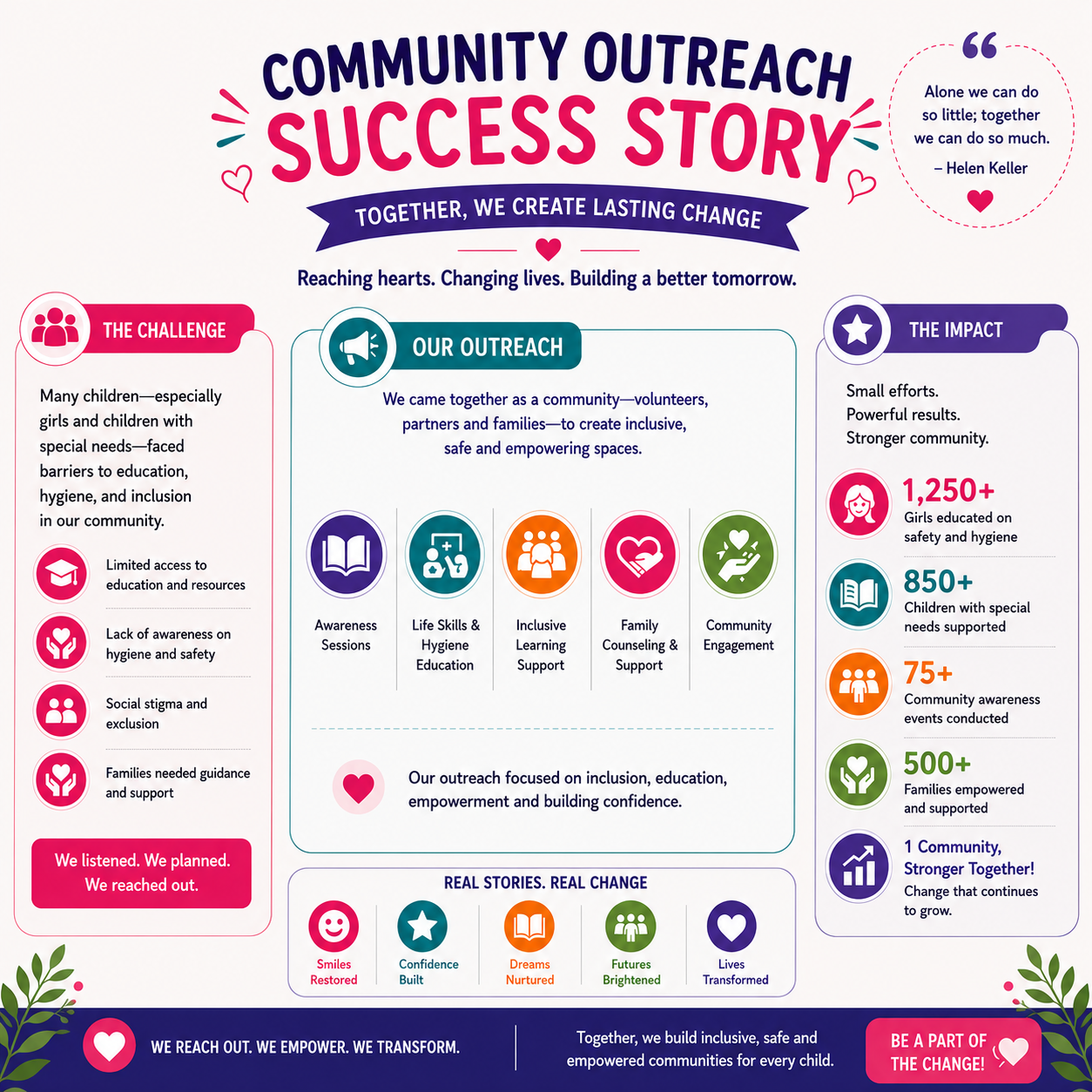
Community outreach success stories

See how thoughtful campaigns build trust and stronger local support networks.

Successful community outreach programs are built on genuine relationships, cultural sensitivity, and a commitment to addressing real community needs. When organizations listen to community voices before designing interventions, trust is established from the beginning. Local partnerships amplify impact—collaborating with schools, health centers, and community leaders ensures programs are accessible and culturally appropriate. Education-focused campaigns addressing menstrual health, child safety, and inclusive care have shown remarkable results in underserved communities. Transparency about program goals and honest communication build credibility. Celebrating community members as changemakers rather than beneficiaries fosters dignity and empowerment. Volunteer engagement programs create local capacity, turning community members into advocates and leaders. Measurable outcomes and regular feedback loops demonstrate accountability and allow for continuous improvement. Stories of impact inspire others to participate and support the mission. Sustainability comes from building local ownership and training community leaders to carry work forward independently. Intersectional approaches recognize that individuals have multiple identities and face compounded challenges. By centering community voices, practicing cultural humility, and committing to long-term partnership, outreach programs create lasting change that strengthens entire communities.

Back to top